Product guide
Custom Electrical Warning Stickers are made for electricians, contractors and facilities teams. The right specification depends on the actual surface, environment, finished size, quantity and deadline—not only the product name. StickerLane checks those details before confirming production.
Quick answer: ordering custom electrical warning stickers
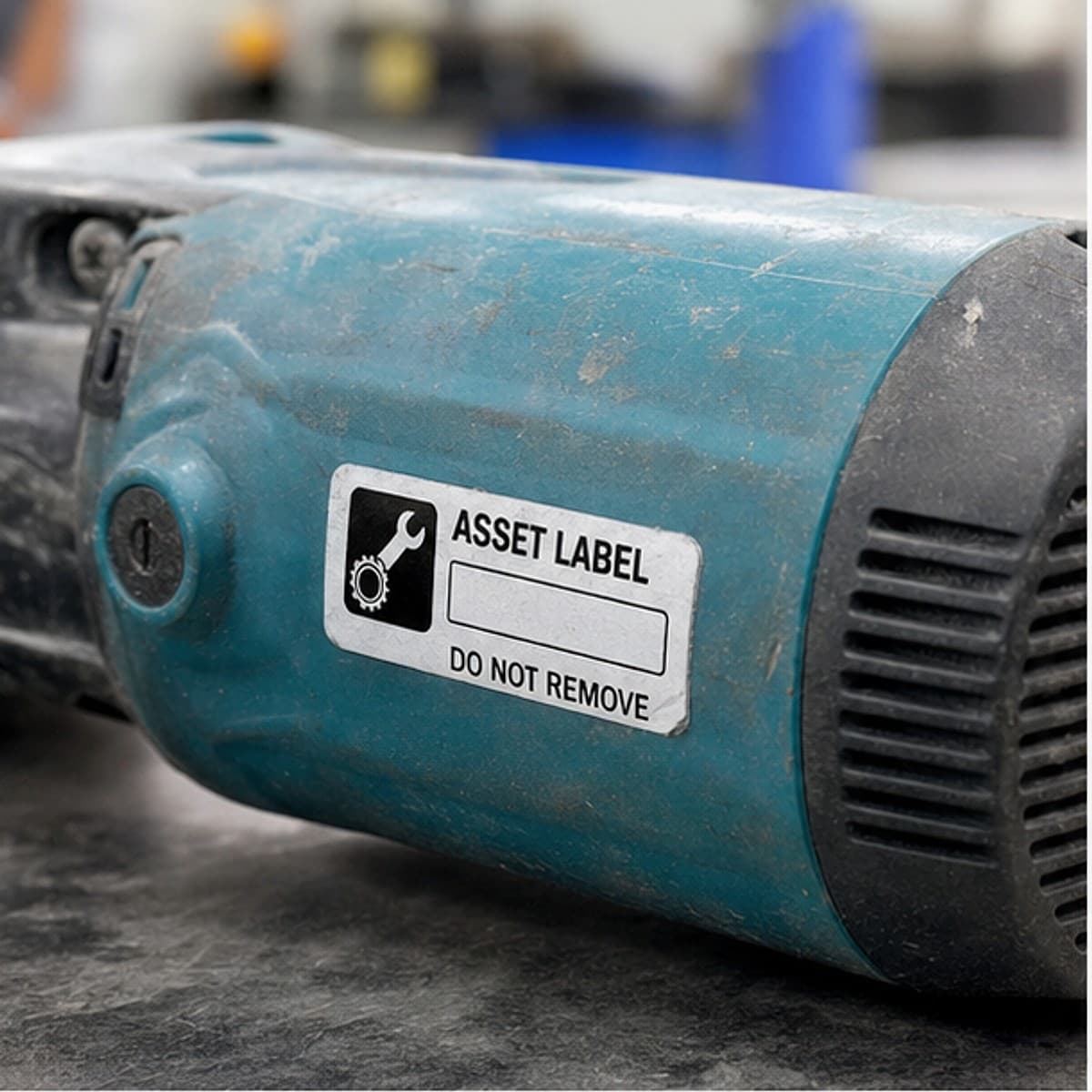
For the fastest accurate quote, send your artwork, finished width and height in millimetres, quantity, exact deadline and a description or photograph of the intended surface. These stickers are commonly used for voltage warnings, isolation information and inspection reminders. We will confirm whether material selected for the intended surface is appropriate or recommend a safer alternative.
If the deadline is urgent, read how same-day sticker printing in London is assessed before relying on collection timing.
Where custom electrical warning stickers can be used
Typical applications include consumer units, panels, switches, equipment and enclosures. Adhesion is usually strongest on a clean, smooth, dry and stable surface. Dust, grease, condensation, texture, low-energy plastic, flexible packaging and tight curves can change performance. Test the proposed sticker on the real item before committing to a business-critical run.
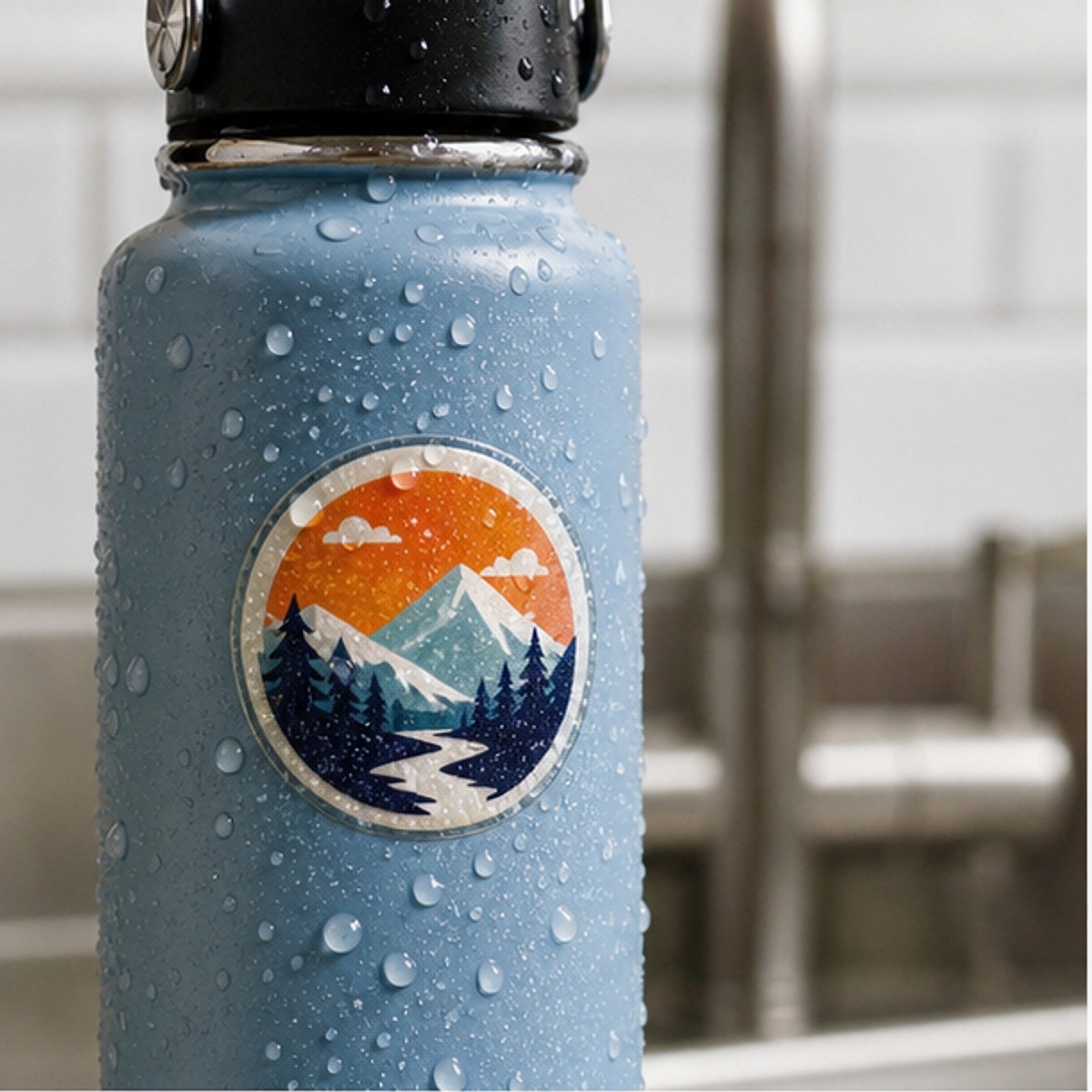
For wet or frequently handled applications, compare waterproof stickers, vinyl stickers and clear stickers before choosing a finish.
Material and finish choices
Material selected for the intended surface is the starting specification for this page, with a matte or gloss after consultation appearance. Paper is often practical for protected indoor packaging. Vinyl is generally considered where moisture, rubbing or repeated handling matters. Clear material allows the surface to show through but white and pale artwork may look different without white ink. “Waterproof” does not mean suitable for every dishwasher, chemical, marine or long-term outdoor condition.
Artwork with an outline or unusual silhouette may be better planned as custom die-cut stickers.
Finished size, shape and readability
The suggested shape is rectangle, but the artwork and usable application area decide the final cut. Measure in millimetres and allow for seams, curves, lids and packaging edges. Print a paper template at 100% scale before approval. Small logos may remain readable at compact sizes; QR codes, ingredients, warnings and contact details need more room and should be tested from the normal viewing distance.
Artwork setup and cut lines
Vector PDF, SVG, AI or EPS artwork normally scales most cleanly. A large original PNG may also be suitable. Screenshots, social-media downloads and photographs of logos often need rebuilding. Keep important text inside the safe area, provide bleed where required and identify the intended cut shape. StickerLane checks technical print suitability; the customer approves spelling, links, ingredients, warnings and legal information.
Not sure which specification fits? Send the surface, size, artwork and deadline for a WhatsApp quote.
Quantities, versions and repeat orders
List each design and its quantity separately. Multiple flavours, names, barcodes or batches are separate artwork versions even when the finished size is shared. A smaller test run is sensible for a new surface or specification. Once tested, retain the confirmed dimensions, material and finish so repeat enquiries can be matched more reliably.
Same-day sticker printing in London
Suitable print-ready jobs may qualify for same-day London collection, but this is never automatic. Artwork readiness, material availability, quantity, cutting, finishing and current production capacity must all be confirmed. Collection or courier timing is separate from production. Send the exact deadline and postcode in the first WhatsApp message and wait for written confirmation before relying on the turnaround.
Requesting a useful quote
Tell us that you need custom electrical warning stickers, then include size, quantity, surface, deadline, collection or delivery preference and artwork. If you are unsure about material, send a photo of the item and describe whether it will face moisture, rubbing, refrigeration, sunlight or frequent handling. This gives us enough context to recommend a practical route rather than guessing.